SUMMARY
Stay safe on the roads this winter with our expert towing advice, covering everything from preparation to driving techniques.
Towing during winter can bring extra challenges, with wet roads, icy conditions, poor visibility and colder temperatures all affecting your journey. Whether you're towing a caravan, trailer or bike carrier, a little preparation can help keep you and your vehicle safe.
Here are some simple winter towing tips to help you stay prepared when the weather turns.
Check Your Vehicle and Trailer Before Setting Off
Before any winter journey, it's important to make sure your vehicle and towing equipment are in good condition.
A few simple checks can make a big difference:
Tyres: Check the condition, tread depth and pressure of both your vehicle and trailer/ carvan tyres.
Lights: Make sure all indicators, brake lights, tail lights and fog lights are working correctly.
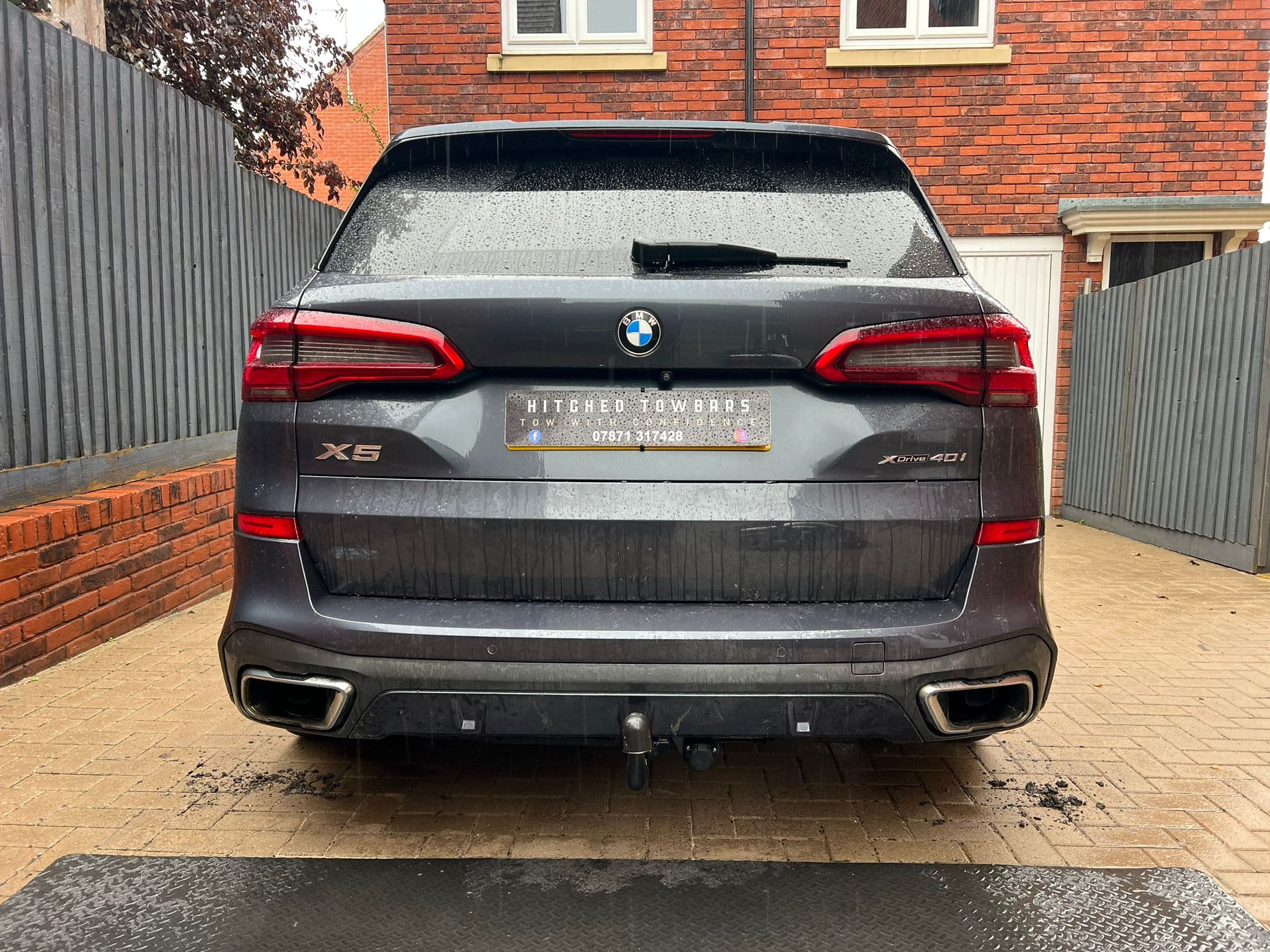
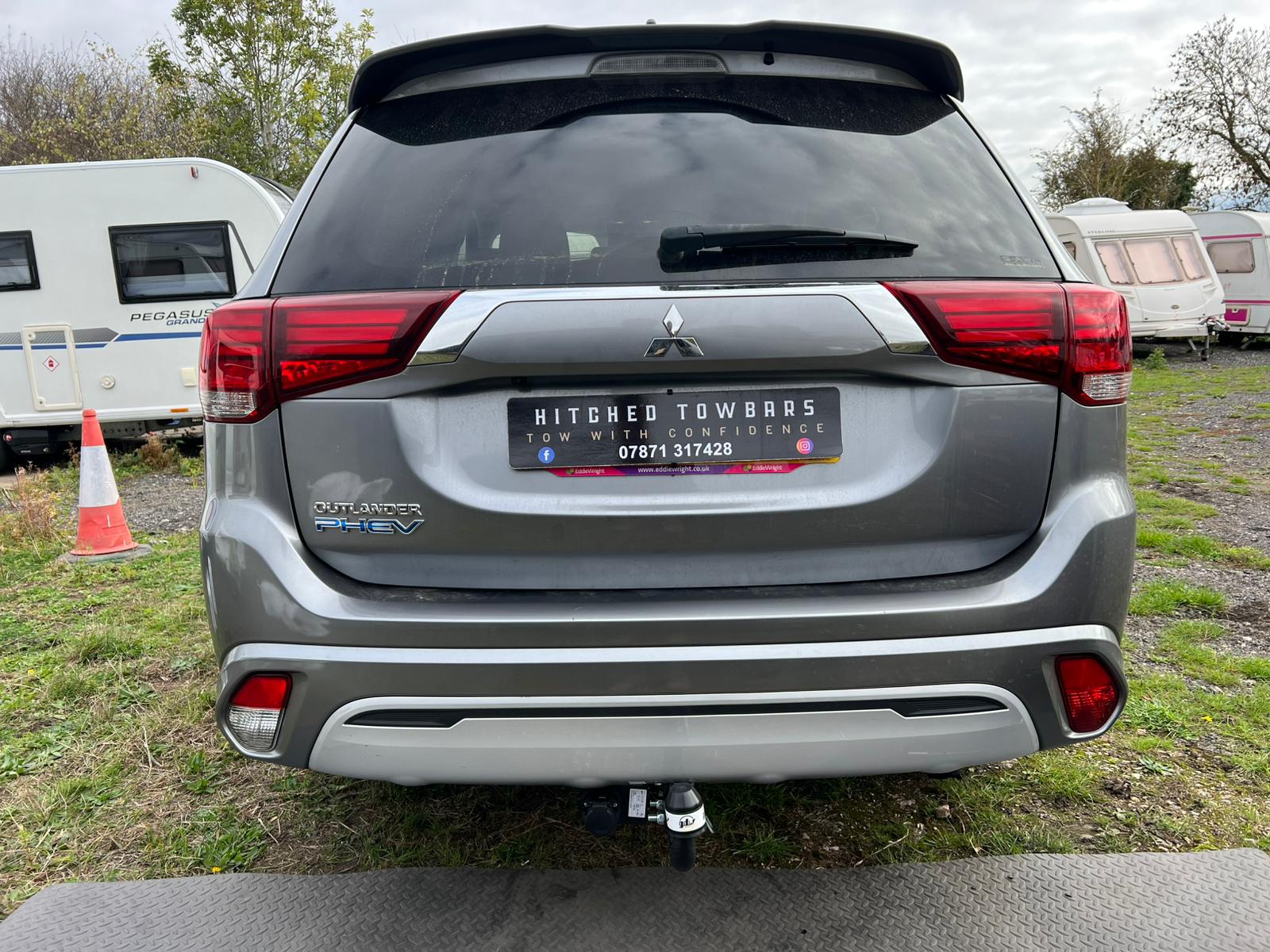
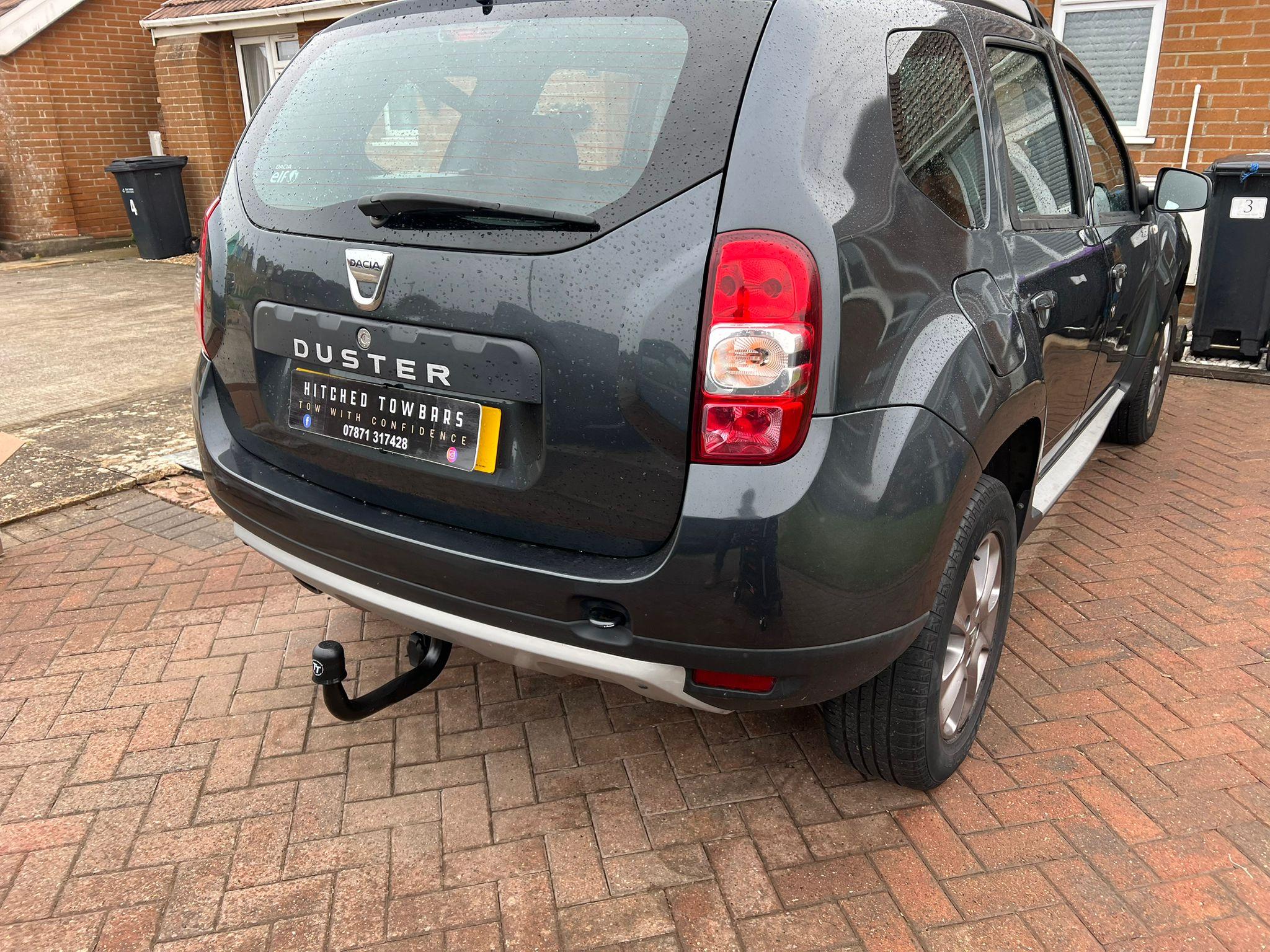
Towbar: Check that your towball and coupling are clean and securely connected.
Electrics: Ensure your towing socket and plug are free from dirt, moisture and corrosion.
Number plate: Make sure your trailer or caravan registration plate is clean and visible.
Drive Carefully in Winter Conditions
Wet, icy and snowy roads can make towing more difficult, particularly when stopping or cornering.
When towing in winter, remember to:
Reduce your speed: Give yourself more time to react to changing road conditions.
Leave extra space: Stopping distances increase on wet and icy roads, especially when towing.
Brake gently: Avoid sudden braking or acceleration that could destabilise your trailer.
Take corners carefully: Slow down before approaching bends.
Watch for strong winds: High-sided trailers and caravans can be affected by sudden gusts.
If conditions become particularly dangerous, consider delaying your journey until it's safer to travel.
Look After Your Towbar and Electrics
Winter roads often leave your towbar exposed to road salt, mud and moisture, which can cause corrosion over time.
To keep everything in good condition:
Clean your towbar after journeys on heavily gritted roads.
Keep electrical sockets closed when not in use.
Check plugs and connections for dirt or moisture.
Store detachable towbar components somewhere dry when removed.
Regular checks and cleaning can help prevent problems and keep your towing equipment working properly.
Prepare for Snow, Ice and Cold Weather
If you're planning a winter towing trip, it's worth keeping a few essentials in your vehicle.
Consider carrying:
An ice scraper and de-icer.
A torch and spare batteries.
Warm clothing and blankets.
A phone charger or power bank.
A first aid kit.
A shovel and basic recovery equipment.
Always clear snow and ice from your vehicle, trailer, lights, windows and mirrors before setting off.
Check Your Towing Weight
It's important to remember that your vehicle's towing capacity doesn't change during winter.
Always check your vehicle's maximum towing weight and make sure your trailer or caravan is loaded correctly.
Keep heavier items low down and distribute the load evenly to help maintain stability. Ideally, store heavier items towards the front of the trailer/ caravan. Make sure everything is secured so it cannot move during the journey.
Whether you're preparing for a winter caravan trip or need your trailer for everyday use, having a correctly fitted and maintained towbar is essential.
Hitched Towbars provides professional mobile towbar fitting across the Midlands and the North of England, helping you find the right towbar and electrical setup for your vehicle.
Need a new towbar or advice on your towing setup? Get in touch with Hitched Towbars for a FREE quote by clicking the link below.